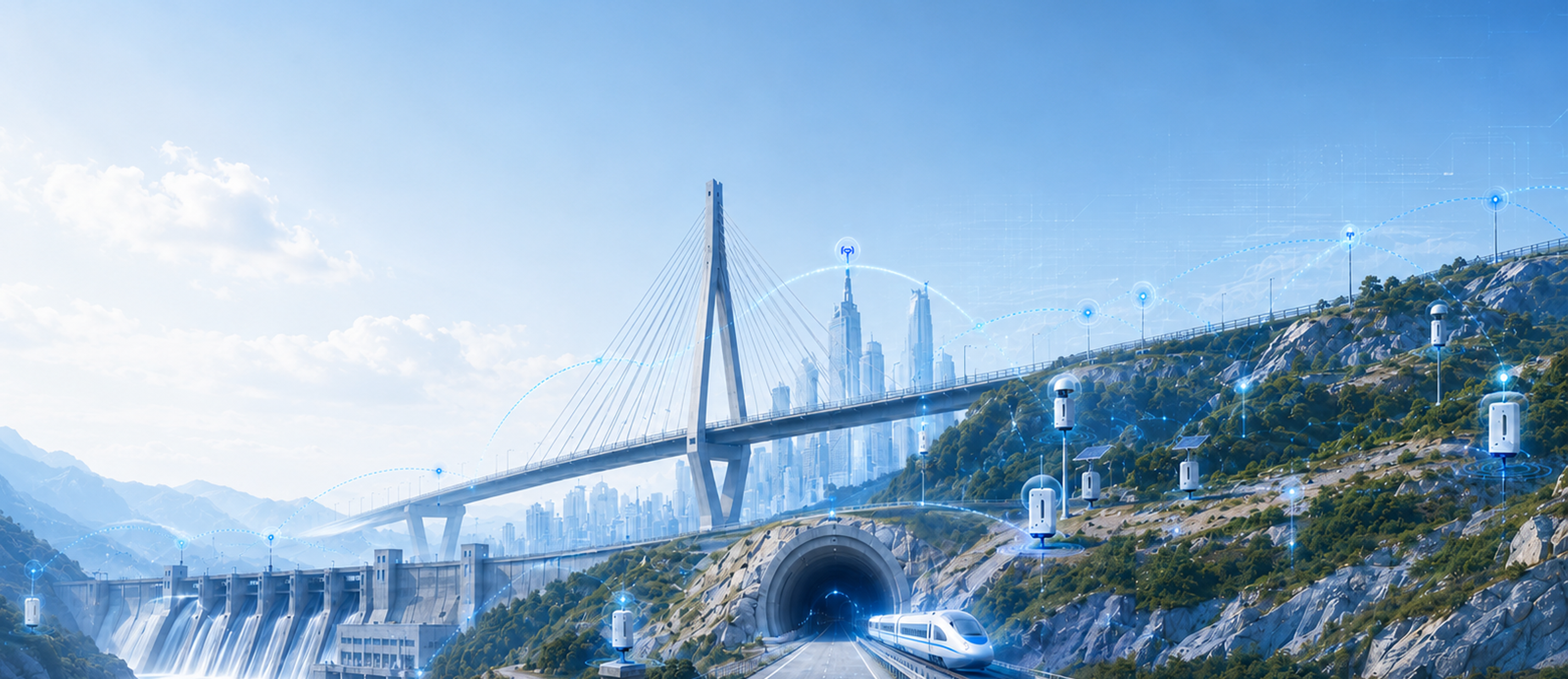
Urban Building and Utility Structural Safety Monitoring
An urban infrastructure monitoring case group covering high-rise building vibration, wind influence, road and utility monitoring, rail expansion, tunnel stress, and city-scale structural safety systems.
Project Type
Civil Infrastructure Structural Monitoring
System Scale
high-rise building wind and vibration monitoring, road material monitoring over 100 m sections, rail expansion monitoring, and tunnel stress monitoring
Data Output
building vibration, wind speed, wind direction, road strain, earth pressure, rail displacement, tilt, tunnel stress, utility structure status, and alarm records
Engineering Value
How the system supported engineering decisions
The case expands civil infrastructure monitoring from bridges into high-rise buildings, roads, rail components, tunnels, pipelines, and utility corridors.
DL-SEN sensors and DL-DAQ systems support mixed urban measurement types while DL-SHM systems provide structural safety review and alarm management.
The urban module supports city-scale structural intelligence alongside energy, wind, bridge, and industrial infrastructure monitoring.
Monitoring Content
Monitoring scope and field constraints addressed by the deployment
High-rise building monitoring needed vibration data linked with rooftop wind speed and direction to evaluate stability.
Urban road and utility monitoring required strain, earth pressure, displacement, and tilt indicators across compact city sections.
City-scale structural safety systems needed data paths suitable for buildings, roads, rail bridge components, tunnels, and pipeline or utility corridors.
System Configuration
Configured system architecture and data path
Field Devices
DL-SEN acceleration, strain, displacement, tilt, earth-pressure, wind, and environmental sensors installed on high-rise, road, rail, tunnel, pipeline, and utility structures
Communication Layer
DL-DAQ systems acquire mixed static and dynamic channels from urban monitoring points and transmit data to a central safety platform
Central Platform
DL-SHM systems for city-scale structural status display, trend analysis, warning management, and engineering report output
Case Visual Evidence
Urban site images from source case pages
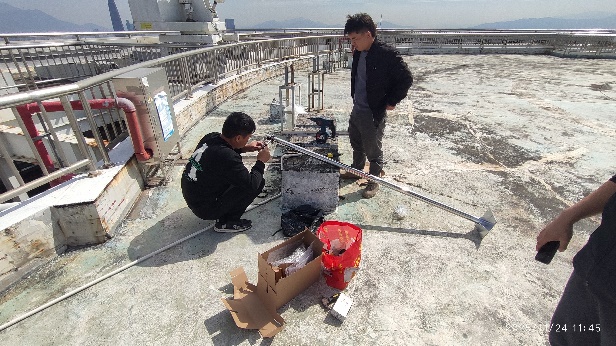
SEG Plaza rooftop sensor installation
Rooftop vibration and wind monitoring work supports high-rise stability review under wind influence.
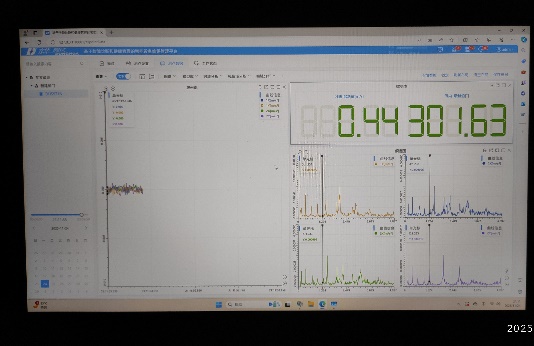
SEG Plaza monitoring software screen
Field data is reviewed through monitoring software for vibration frequency, wind speed, and wind direction analysis.
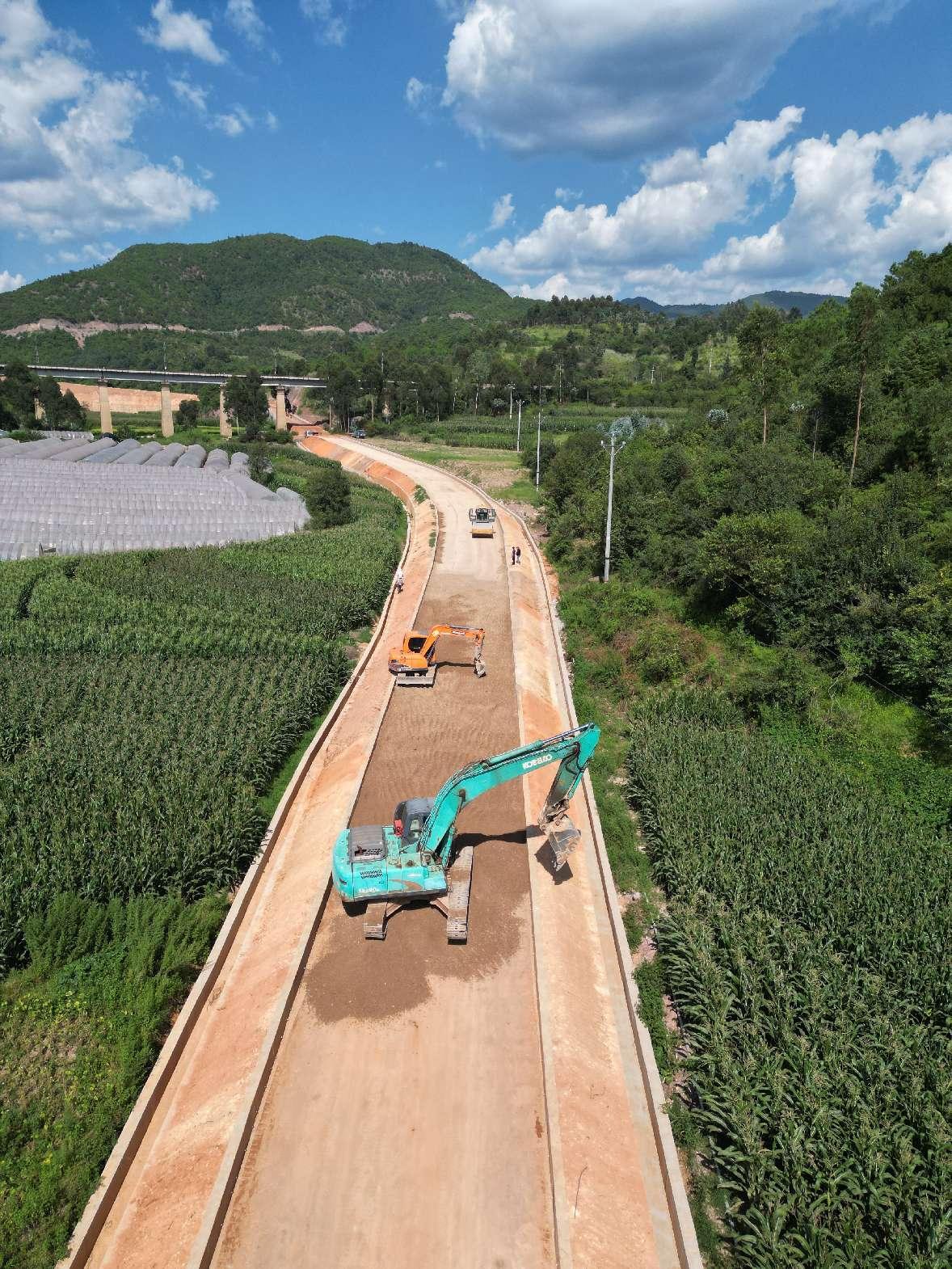
Lufeng road monitoring field section
Road material monitoring uses strain and earth-pressure points across the pavement test section.
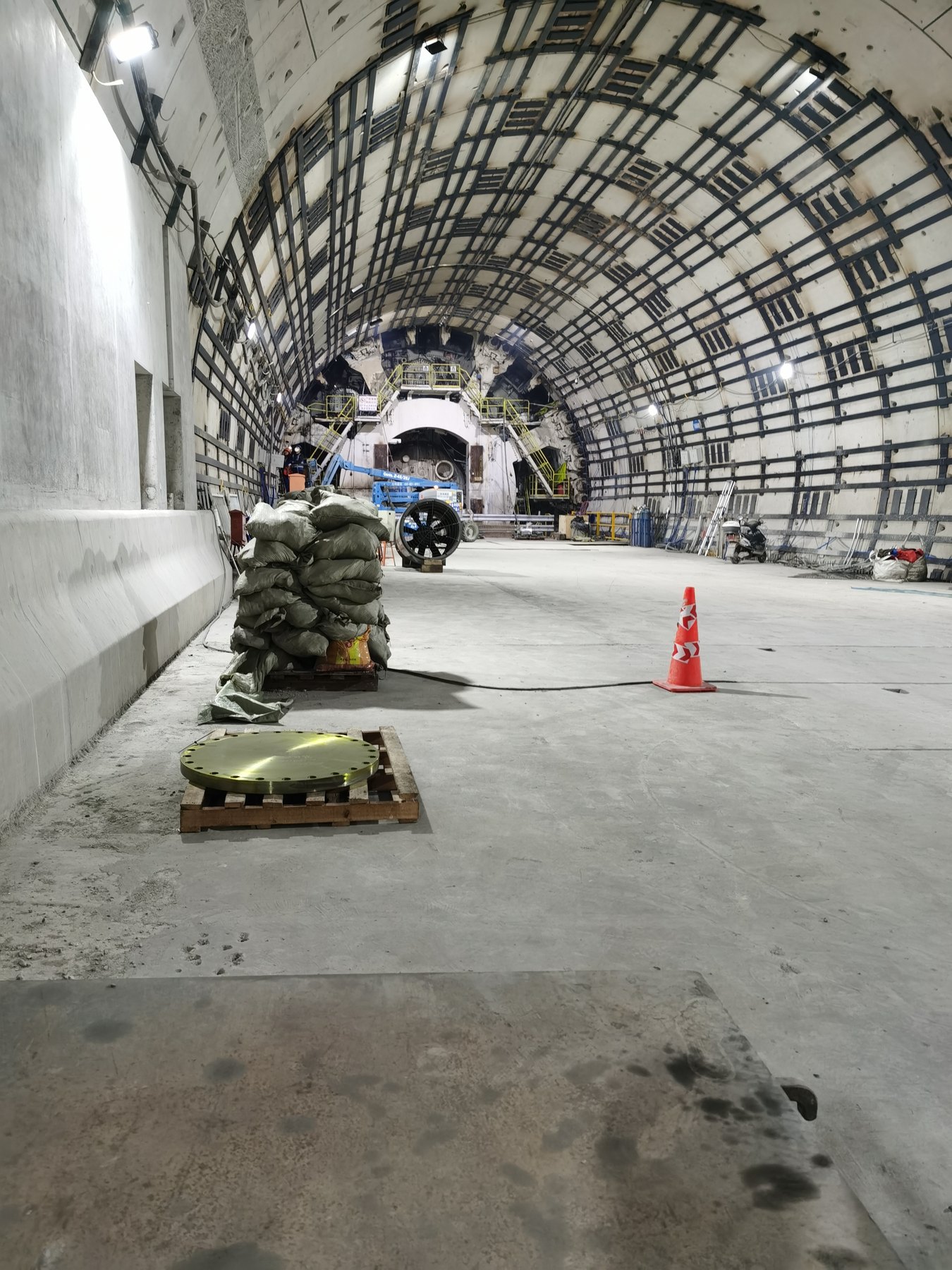
Jiangyin-Jingjiang tunnel stress monitoring site
Tunnel construction stress monitoring covers shield-front stress direction and magnitude review.
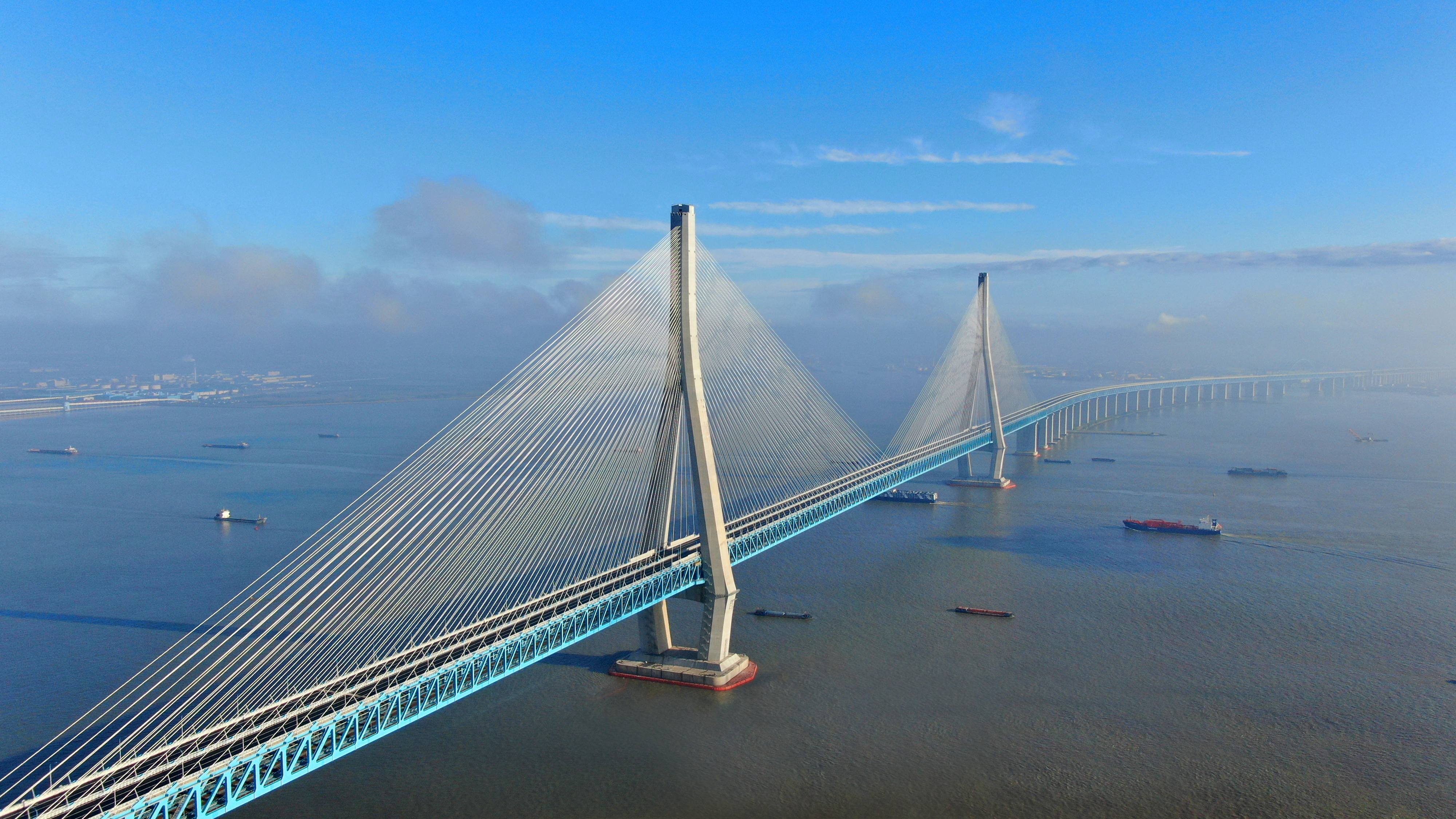
Husu-Tong rail bridge monitoring environment
Bridge environment reference for rail expansion displacement and tilt monitoring; this is location context rather than a sensor close-up.
Sensor Deployment
Sensor layout and measurement purpose
High-rise building monitoring points
DL-SEN acceleration sensors and environmental sensors
Measure building vibration, rooftop wind speed, and wind direction for stability review
Road, rail, and utility sections
DL-SEN strain, displacement, tilt, and earth-pressure sensors
Track road material response, rail expansion movement, utility corridor condition, and ground-linked load change
Tunnel and underground structures
DL-SEN strain sensors
Monitor stress direction and magnitude during tunnel or shield-related construction stages
Urban monitoring platform
DL-DAQ systems and DL-SHM systems
Unify building, road, rail, tunnel, pipeline, and utility data for city structural safety review
Data Analysis Results
Monitoring indicators and interpretation
High-rise vibration stability
building vibration correlated with wind speed and direction
Urban safety teams could evaluate high-rise response under wind influence.
Road and utility response
strain, displacement, tilt, and earth-pressure indicators
Municipal owners gained measurable evidence for pavement, rail, and utility structure behavior.
City-scale monitoring model
building, road, rail, tunnel, and utility data unified
The workflow supports broader urban structural safety systems rather than one isolated asset.
Engineering Credibility
Reliability, topology, and project validation
99.98%
target data availability
IP67/68
field protection classes
4G/Fiber
site transmission options
RFQ
project-based configuration
Measurement planning
Monitoring object, measurement range, sampling rate, and signal type guide project configuration.
Communication options
DL systems support project configurations using wired, wireless, GNSS, and gateway-based communication methods.
Documentation support
Datasheets and technical selection information are available upon request for RFQ preparation.
Product selection should be confirmed against site conditions, measurement points, installation environment, and expected data output.
Structured RFQ Path
Request path for Civil Infrastructure Structural Monitoring Project
Step 1
Define Data Nodes
Sensor, wireless node, GNSS station, seismic unit, or DAQ field layer.
Step 2
Configure Network
Civil infrastructure, industrial equipment, heritage, seismic, or research monitoring chain.
Step 3
Build RFQ Scope
Asset type, measurement points, channels, sampling rate, communication, environment, and duration.
Step 4
Review Proposal
Receive system architecture, product configuration, data output, and engineering review structure.
Project Overview
Engineering context and monitoring scope
Urban infrastructure projects required structural safety evidence for high-rise building stability, new road material behavior, railway bridge expansion devices, and tunnel construction stress. The source cases include Shenzhen SEG Plaza wind-speed, wind-direction, and vibration monitoring; road section strain and earth-pressure monitoring; rail expansion displacement and tilt monitoring; and tunnel shield-front stress monitoring.
Client type
Urban public safety institute, municipal infrastructure owner, and civil engineering inspection teams
System scale
high-rise building wind and vibration monitoring, road material monitoring over 100 m sections, rail expansion monitoring, and tunnel stress monitoring
Project type
Civil Infrastructure Structural Monitoring