
High-Performance Dynamic Signal Acquisition System
High-performance dynamic signal acquisition system for high-precision measurement in strong-interference environments, supporting strain, voltage, IEPE, charge, current, and resistance measurements, channel isolation, +/-500 V common-mode voltage suppression, 16-channel modules, gigabit Ethernet expansion, intelligent lead identification, TEDS support, four-wire bridge excitation, and up to 256 kHz per-channel continuous sampling.
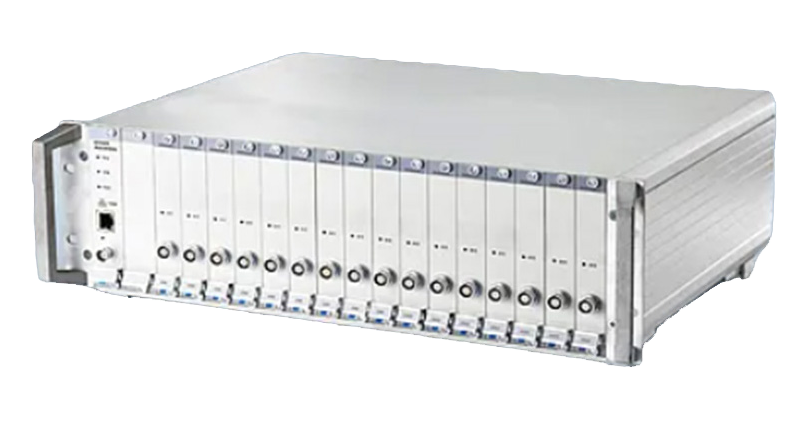
System Category
DL-DAQ
Signal Type
High-performance dynamic DAQ
Communication
Gigabit Ethernet expansion
Application Fit
Typical applications for this product
Industrial Equipment Monitoring
Monitor rotating machinery and industrial equipment condition including vibration, torque, shaft power, rotational speed, shaft torsional vibration, and operational condition trends.
Typical configuration reference
Cultural Heritage Monitoring System
Monitor crack evolution, structural vibration response, tilt, displacement, long-term deformation, rock-mass fissure evolution, weathering-related structural degradation, stability trends, and environmental or human-activity impact for protected heritage assets.
Typical configuration reference
Civil Infrastructure Structural Monitoring
Monitor civil infrastructure deformation, strain, vibration, displacement, tilt, cracks, settlement, GNSS movement, cable force, seismic response, and construction-stage structural behavior.
Typical configuration reference
Research & Engineering Testing
Capture modal response, vibration response, dynamic strain, torque, speed, temperature, pressure, force, displacement, and synchronized multi-channel data for engineering verification.
Typical configuration reference
Product Image and Application Context
Visual reference for High-Performance Dynamic Signal Acquisition System
Product images are used when available for RFQ evaluation and product recognition.
Primary Product Image
Product image configured for this product.
Industrial
Typical high-performance dynamic daq chassis deployment for project configuration.
Laboratory
Typical high-performance dynamic daq chassis deployment for project configuration.
Testing
Typical high-performance dynamic daq chassis deployment for project configuration.
Software Platform
Software Platform & Analysis System
Structural health monitoring software for dynamic signal analysis, modal testing, fatigue evaluation, and multi-view engineering visualization in complete DAQ and monitoring systems.
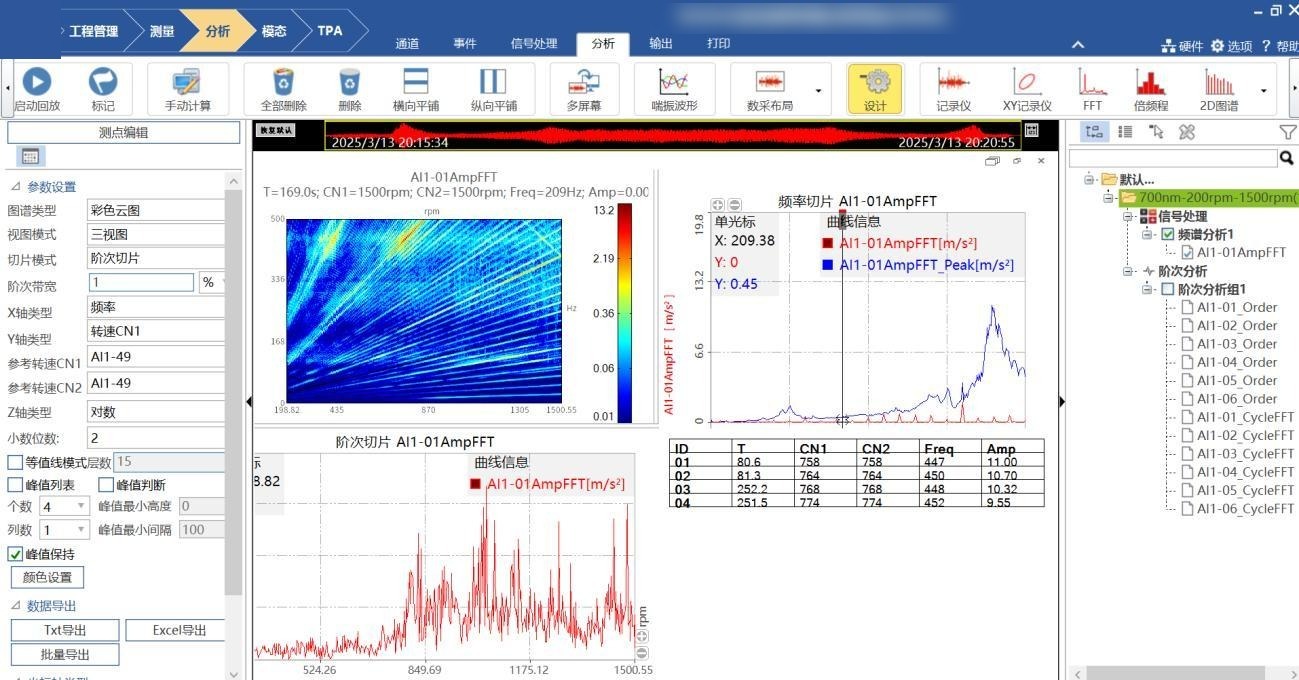
Signal Processing Engine
FFT analysis, time-domain waveform processing, IIR/FIR filtering, wavelet analysis, and cepstrum tools.
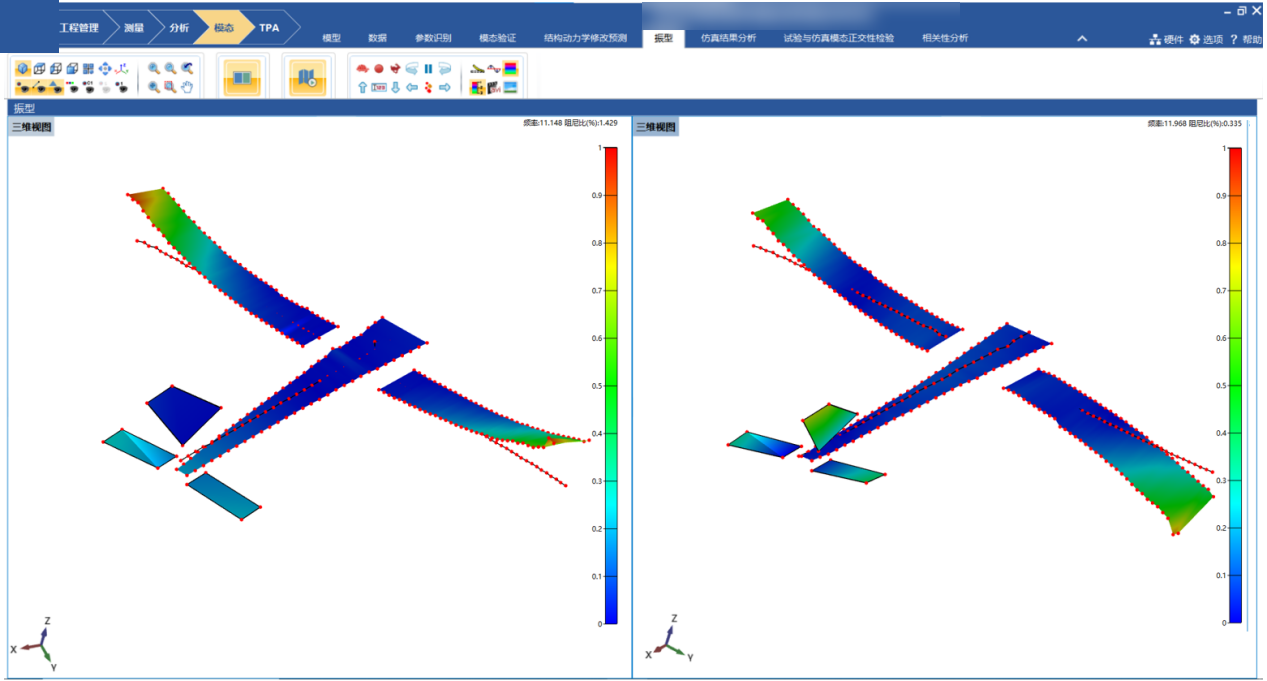
Structural Dynamics Analysis
Modal analysis for EMA, OMA, and GVT workflows with FRF, ODS, and structural prediction support.
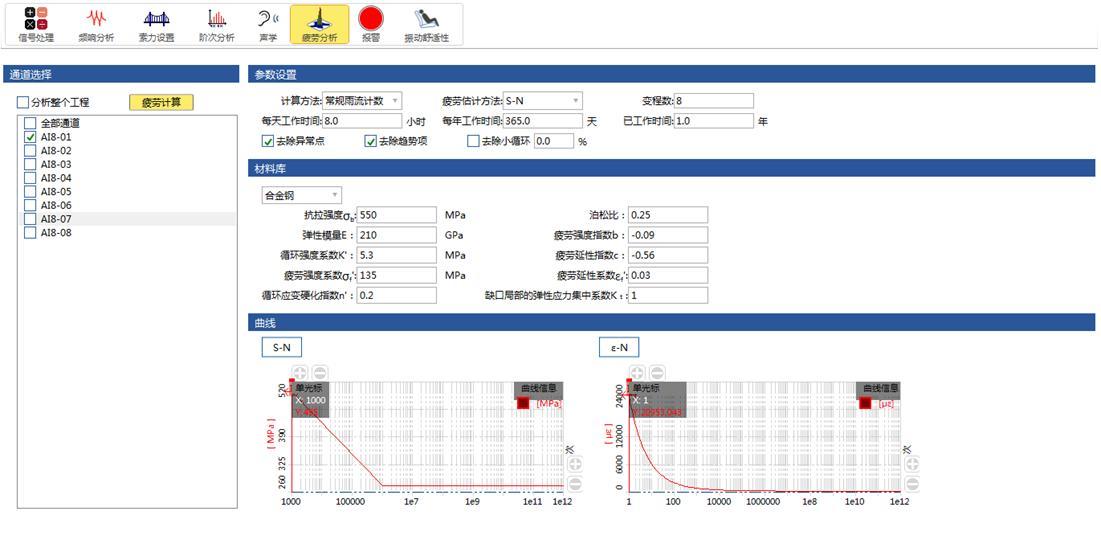
Data Analytics Engine
Rainflow counting, fatigue life evaluation, statistical analysis, integration, and signal preprocessing.
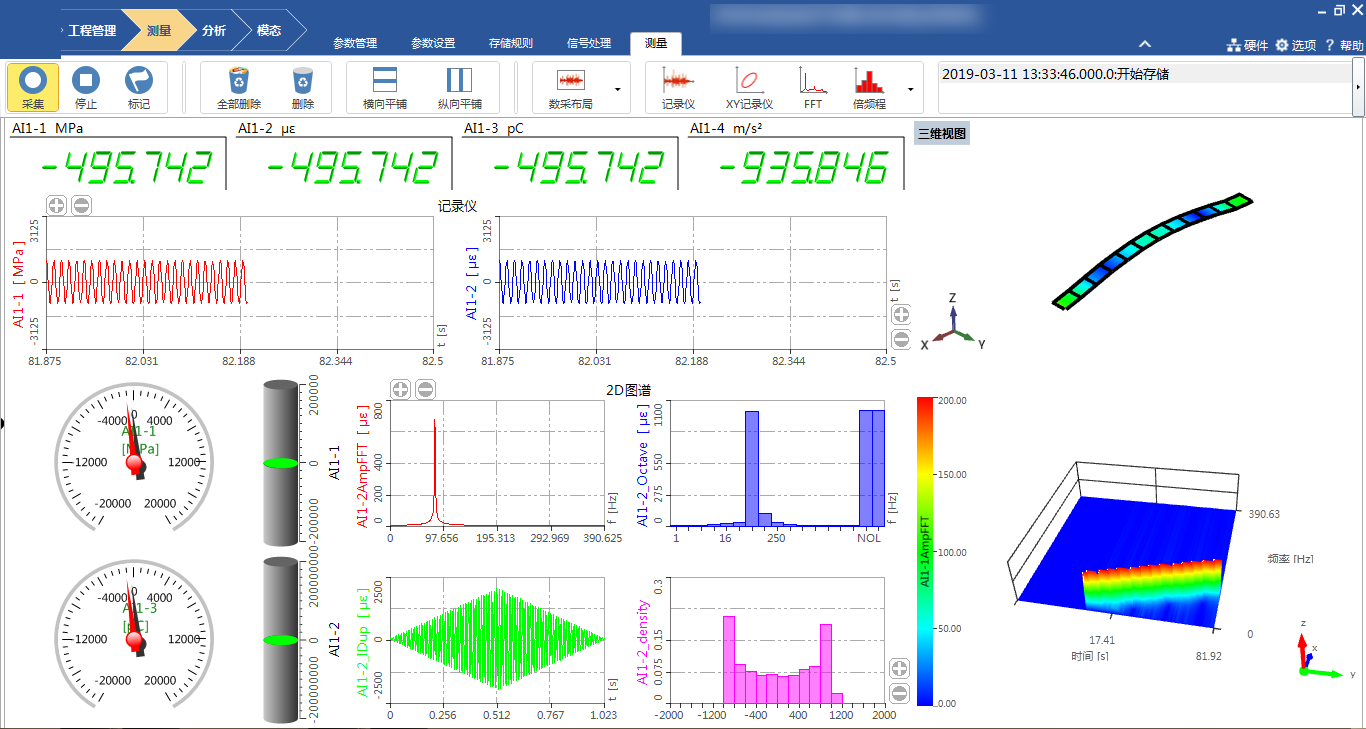
Visualization System
Real-time waveform, FFT spectrum, 2D/3D visualization, dashboards, meters, charts, and synchronized views.
Technical Specifications
Category
DL-DAQ
Measurement Range
Strain, voltage, IEPE, charge, current, and resistance inputs
Sampling Rate
Up to 256 kHz per channel
Communication Protocol
Gigabit Ethernet expansion
Protection Level
Strong-interference test environment
Power Supply
System cabinet power
Application Tags
Industrial, Laboratory, Testing, Aerospace
Installation Type
High-performance dynamic DAQ chassis
Engineering Applications
Where this DL product is applied
Channel isolation and shielding support high-radiation and strong-interference measurement environments.
Supports strain, voltage, IEPE, charge, current, and resistance signal types.
TEDS and intelligent lead identification improve sensor setup workflows.
Technical basis may reference GB/T 6587 environmental requirements.
Typical Use Cases
Typical monitoring use cases
High-precision dynamic measurement in strong-interference test environments.
Laboratory and industrial tests requiring isolated channels and high sampling rates.
System Integration Context
Sensor, DAQ, and software context
Confirm input module type, channel isolation needs, common-mode voltage, bridge excitation, and sampling rate.
Plan grounding, shielding, Ethernet expansion, and sensor identification setup.
Remove original supplier model identifiers and promotional wording from public materials.