
Low-Frequency Vibration Sensor
Low-frequency vibration sensor for acceleration, velocity, and displacement measurement, supporting selectable measurement ranges, 0.17 to 100 Hz low-frequency response depending on range, passive signal output, and structural microtremor or weak-vibration measurement.
System Category
DL-SE
Signal Type
Low-frequency vibration
Communication
Passive signal output
Application Fit
Typical applications for this product
Industrial Equipment Monitoring
Monitor rotating machinery and industrial equipment condition including vibration, torque, shaft power, rotational speed, shaft torsional vibration, and operational condition trends.
Typical configuration reference
Cultural Heritage Monitoring System
Monitor crack evolution, structural vibration response, tilt, displacement, long-term deformation, rock-mass fissure evolution, weathering-related structural degradation, stability trends, and environmental or human-activity impact for protected heritage assets.
Typical configuration reference
Civil Infrastructure Structural Monitoring
Monitor civil infrastructure deformation, strain, vibration, displacement, tilt, cracks, settlement, GNSS movement, cable force, seismic response, and construction-stage structural behavior.
Typical configuration reference
Research & Engineering Testing
Capture modal response, vibration response, dynamic strain, torque, speed, temperature, pressure, force, displacement, and synchronized multi-channel data for engineering verification.
Typical configuration reference
Product Image and Application Context
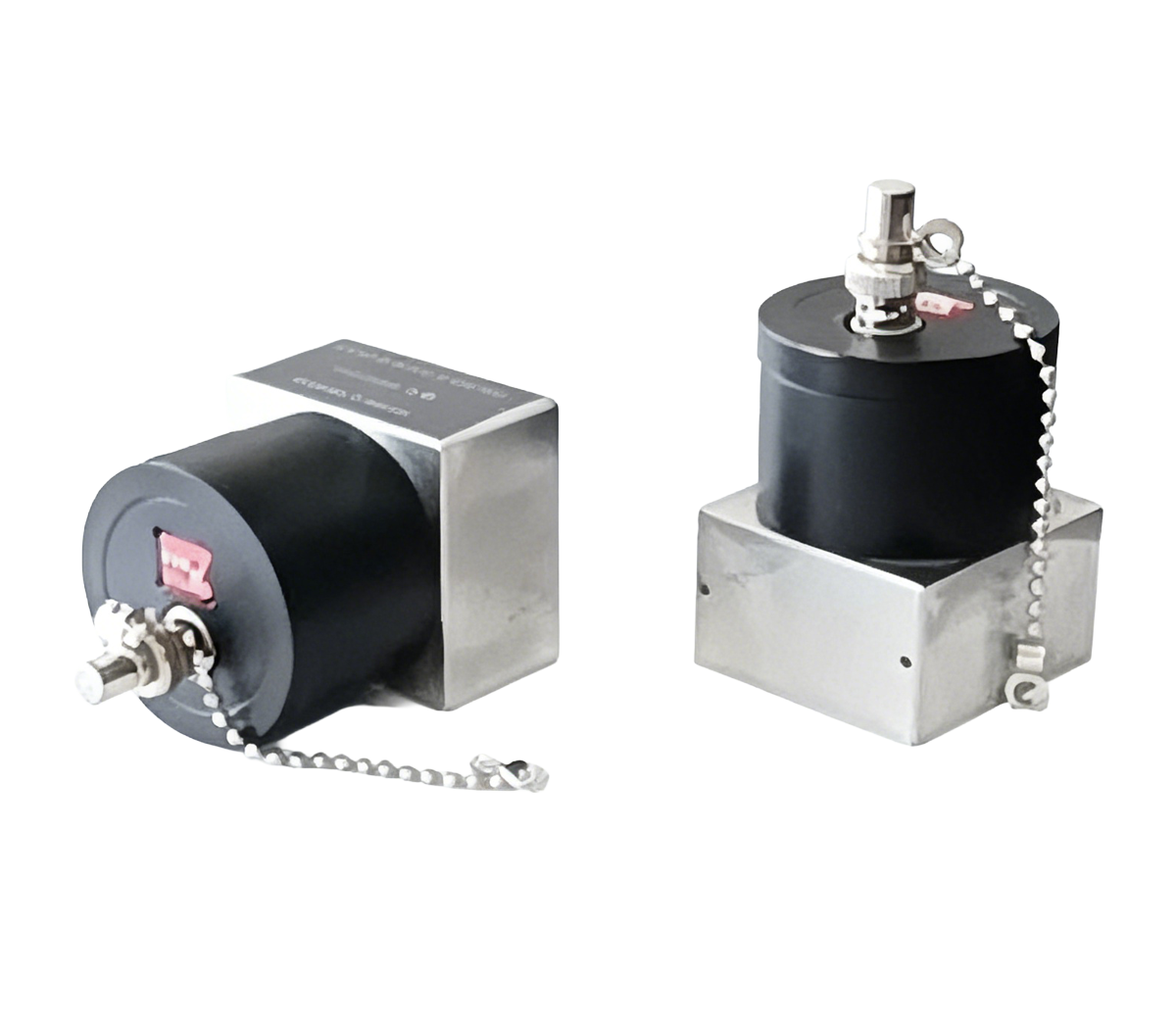
Visual reference for Low-Frequency Vibration Sensor
Product images are used when available for RFQ evaluation and product recognition.
Primary Product Image
Product image configured for this product.
Seismic
Typical sensor base installation deployment for project configuration.
Building
Typical sensor base installation deployment for project configuration.
Industrial
Typical sensor base installation deployment for project configuration.
Technical Specifications
Category
DL-SE
Measurement Range
Acceleration, velocity, and displacement ranges
Sampling Rate
0.17 to 100 Hz response depending on range
Communication Protocol
Passive signal output
Protection Level
Project-specific sensor protection
Power Supply
Passive sensor
Application Tags
Seismic, Building, Industrial, Bridge
Installation Type
Sensor base installation
Engineering Applications
Where this DL product is applied
Selectable ranges support acceleration, velocity, and displacement observation.
Low-frequency response supports ground motion, structural microtremor, and weak-vibration measurement.
Passive output simplifies connection to compatible dynamic acquisition systems.
Compact sensor body supports field and laboratory vibration measurement.
Typical Use Cases
Typical monitoring use cases
Ground motion, industrial vibration, and structural microtremor measurement.
High-flexibility structures where low-frequency response is important.
System Integration Context
Sensor, DAQ, and software context
Select the measurement range before installation according to expected amplitude and frequency.
Confirm compatible signal conditioning and acquisition input impedance.
Use stable mounting to avoid installation-induced low-frequency error.