Bridge Construction Stage Cable Replacement Monitoring
A construction-stage monitoring workflow for cable replacement, cable tension adjustment, strain calibration, and cloud-access structural status supervision.
Project Type
Civil Infrastructure Structural Monitoring
System Scale
distributed bridge construction monitoring with 24 strain points, 14 cable-force sensors, 4G transmission, and cloud access
Data Output
cable force, support-node strain, tension adjustment trend, construction-stage status, and remote monitoring records
Engineering Value
How the system supported engineering decisions
The case adds construction-stage monitoring to the civil infrastructure vertical.
DL-SEN strain and cable-force sensors with distributed DL-DAQ systems supported cable replacement and tension adjustment decisions.
4G and cloud-connected DL-SHM monitoring provided remote visibility during bridge construction work.
Monitoring Content
Monitoring scope and field constraints addressed by the deployment
Cable replacement required real-time tracking of cable force and deck support strain during construction-stage adjustment.
Measurement points were dispersed across the bridge, so acquisition equipment had to be placed close to sensors for practical wiring.
Project stakeholders needed remote access to construction-stage data through 4G and cloud monitoring.
System Configuration
Configured system architecture and data path
Field Devices
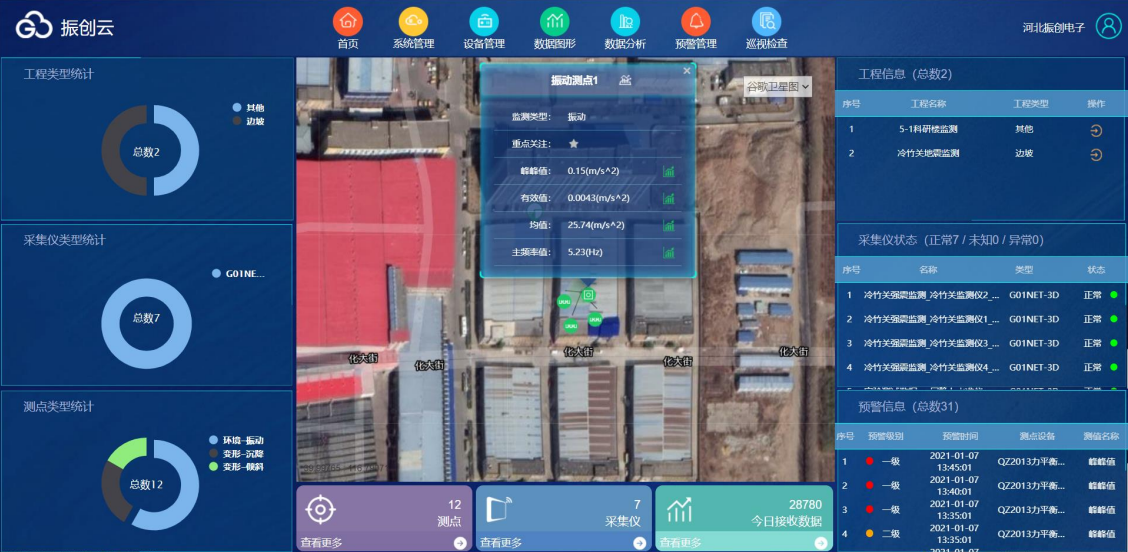
DL-SEN strain sensors on bridge deck support nodes and DL-SEN cable-force sensors on replacement stay cables
Communication Layer
Distributed DL-DAQ field stations placed near dispersed measurement points with 4G data transmission to cloud monitoring
Central Platform
DL-SHM systems for construction-stage status display, cable tension trend review, strain calibration, alarm review, and user access
Case Visual Evidence
Source visuals and deployment references
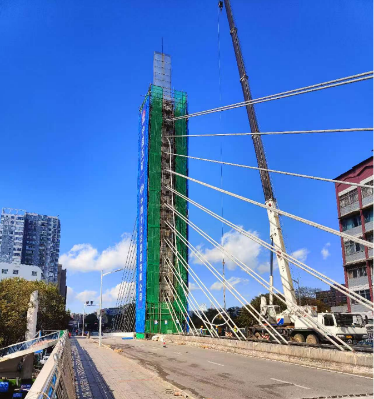
Yuantong Bridge cable replacement construction
Stay cables, bridge tower scaffolding, and crane work show the construction-stage monitoring environment.
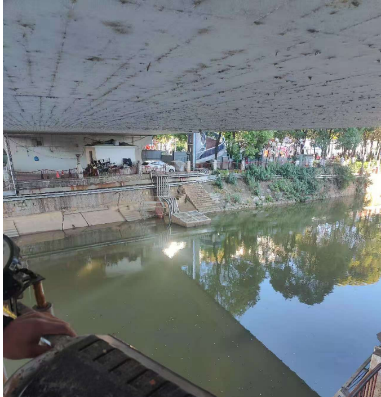
Yuantong Bridge underdeck site
Underdeck site context supports strain monitoring at bridge deck support nodes during cable replacement.
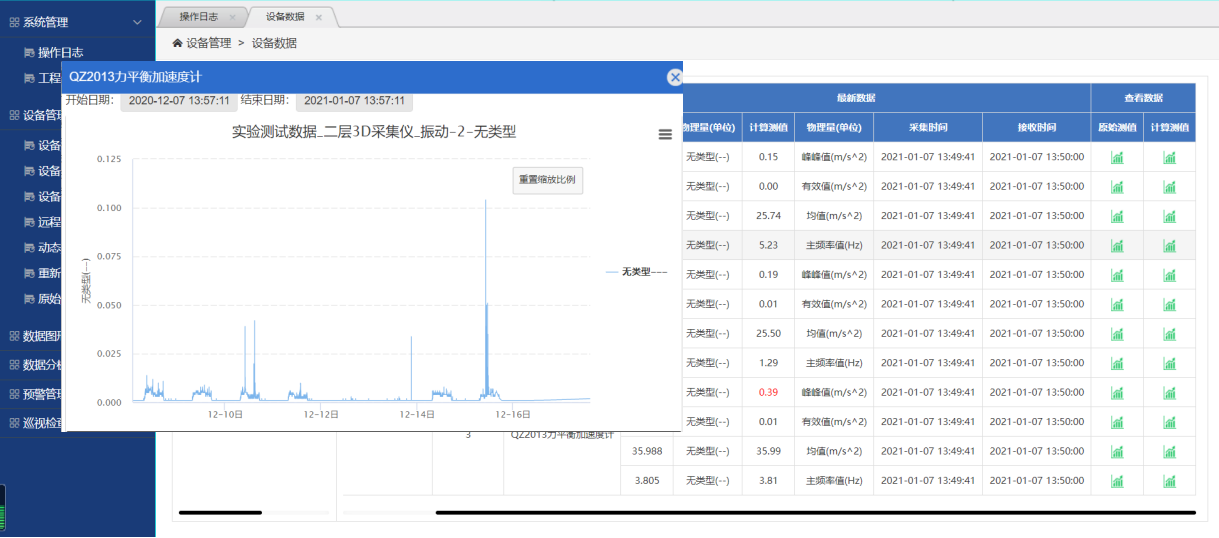
Monitoring data trend screen
Trend and table outputs support construction-stage status supervision and remote review.
Sensor Deployment
Sensor layout and measurement purpose
Bridge deck support nodes
DL-SEN strain sensors
Monitor strain response at support nodes during cable replacement and tension adjustment
Replacement stay cables
DL-SEN cable-force sensors
Track cable force during cable replacement, staged tensioning, and construction safety review
Distributed field stations
DL-DAQ systems
Acquire local strain and cable-force signals near dispersed bridge measurement points
Cloud monitoring access
DL-SHM systems
Receive 4G-transmitted data, display construction status, and support user review
Data Analysis Results
Monitoring indicators and interpretation
Construction-stage response
deck support strain and replacement cable force tracked
The construction team could observe how cable replacement affected bridge structural response.
Distributed acquisition
field stations placed near dispersed points
Sensor wiring became practical across separated bridge construction locations.
Remote monitoring
4G plus cloud access
Users could access construction status without relying only on local site inspection.
Engineering Credibility
Reliability, topology, and project validation
99.98%
target data availability
IP67/68
field protection classes
4G/Fiber
site transmission options
RFQ
project-based configuration
Measurement planning
Monitoring object, measurement range, sampling rate, and signal type guide project configuration.
Communication options
DL systems support project configurations using wired, wireless, GNSS, and gateway-based communication methods.
Documentation support
Datasheets and technical selection information are available upon request for RFQ preparation.
Product selection should be confirmed against site conditions, measurement points, installation environment, and expected data output.
Structured RFQ Path
Request path for Civil Infrastructure Structural Monitoring Project
Step 1
Define Data Nodes
Sensor, wireless node, GNSS station, seismic unit, or DAQ field layer.
Step 2
Configure Network
Civil infrastructure, industrial equipment, heritage, seismic, or research monitoring chain.
Step 3
Build RFQ Scope
Asset type, measurement points, channels, sampling rate, communication, environment, and duration.
Step 4
Review Proposal
Receive system architecture, product configuration, data output, and engineering review structure.
Project Overview
Engineering context and monitoring scope
A city bridge required cable replacement because aging stay cables affected service life. Strain sensors were installed at bridge deck support nodes and cable-force sensors were installed on replacement cables. Distributed acquisition stations were placed near dispersed measurement points, with 4G communication sending monitoring data to a cloud server for user access and status review.
Client type
Bridge construction, cable replacement, and inspection teams
System scale
distributed bridge construction monitoring with 24 strain points, 14 cable-force sensors, 4G transmission, and cloud access
Project type
Civil Infrastructure Structural Monitoring