
Wireless Dynamic Strain Acquisition System
Wireless dynamic strain acquisition system for large mechanical and civil structure testing, supporting full-bridge, half-bridge, and three-wire quarter-bridge strain measurement, bridge-type acceleration, pressure, force, load, displacement, thermocouple, and voltage inputs, Wi-Fi or wired Ethernet communication, up to 16 four-channel modules per computer, optional GPS or BeiDou synchronization, bridge self-check, and long battery operation.
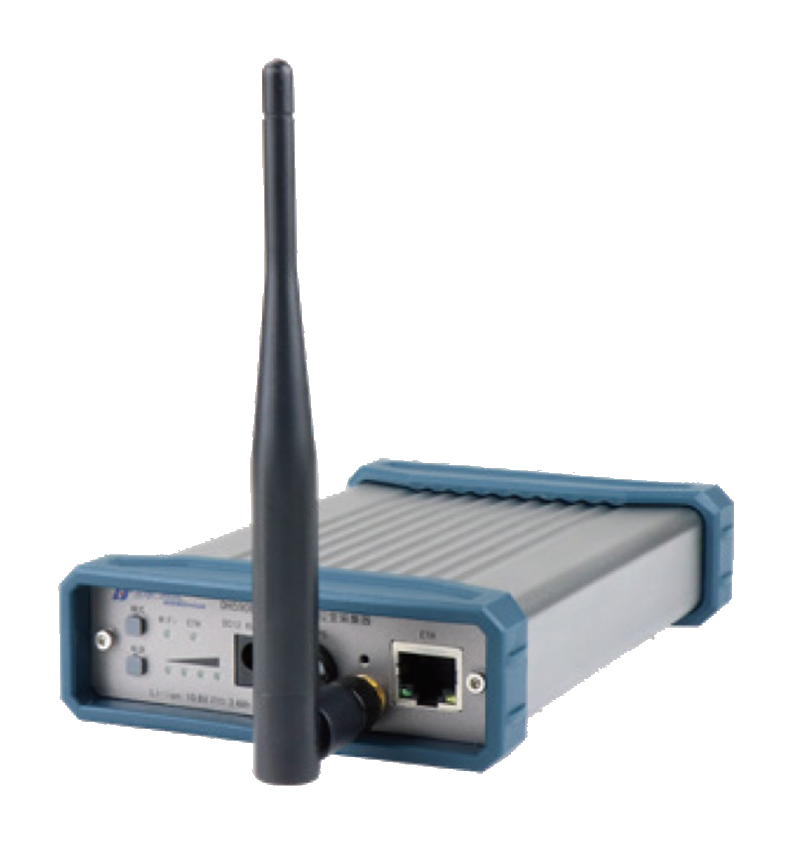
System Category
DL-DAQ
Signal Type
Wireless dynamic strain
Communication
Wi-Fi or wired Ethernet
Application Fit
Typical applications for this product
Industrial Equipment Monitoring
Monitor rotating machinery and industrial equipment condition including vibration, torque, shaft power, rotational speed, shaft torsional vibration, and operational condition trends.
Typical configuration reference
Cultural Heritage Monitoring System
Monitor crack evolution, structural vibration response, tilt, displacement, long-term deformation, rock-mass fissure evolution, weathering-related structural degradation, stability trends, and environmental or human-activity impact for protected heritage assets.
Typical configuration reference
Civil Infrastructure Structural Monitoring
Monitor civil infrastructure deformation, strain, vibration, displacement, tilt, cracks, settlement, GNSS movement, cable force, seismic response, and construction-stage structural behavior.
Typical configuration reference
Research & Engineering Testing
Capture modal response, vibration response, dynamic strain, torque, speed, temperature, pressure, force, displacement, and synchronized multi-channel data for engineering verification.
Typical configuration reference
Product Image and Application Context
Visual reference for Wireless Dynamic Strain Acquisition System
Product images are used when available for RFQ evaluation and product recognition.
Primary Product Image
Product image configured for this product.
Bridge
Typical wireless distributed strain module installation deployment for project configuration.
Civil
Typical wireless distributed strain module installation deployment for project configuration.
Mechanical
Typical wireless distributed strain module installation deployment for project configuration.
Software Platform
Software Platform & Analysis System
Structural health monitoring software for dynamic signal analysis, modal testing, fatigue evaluation, and multi-view engineering visualization in complete DAQ and monitoring systems.
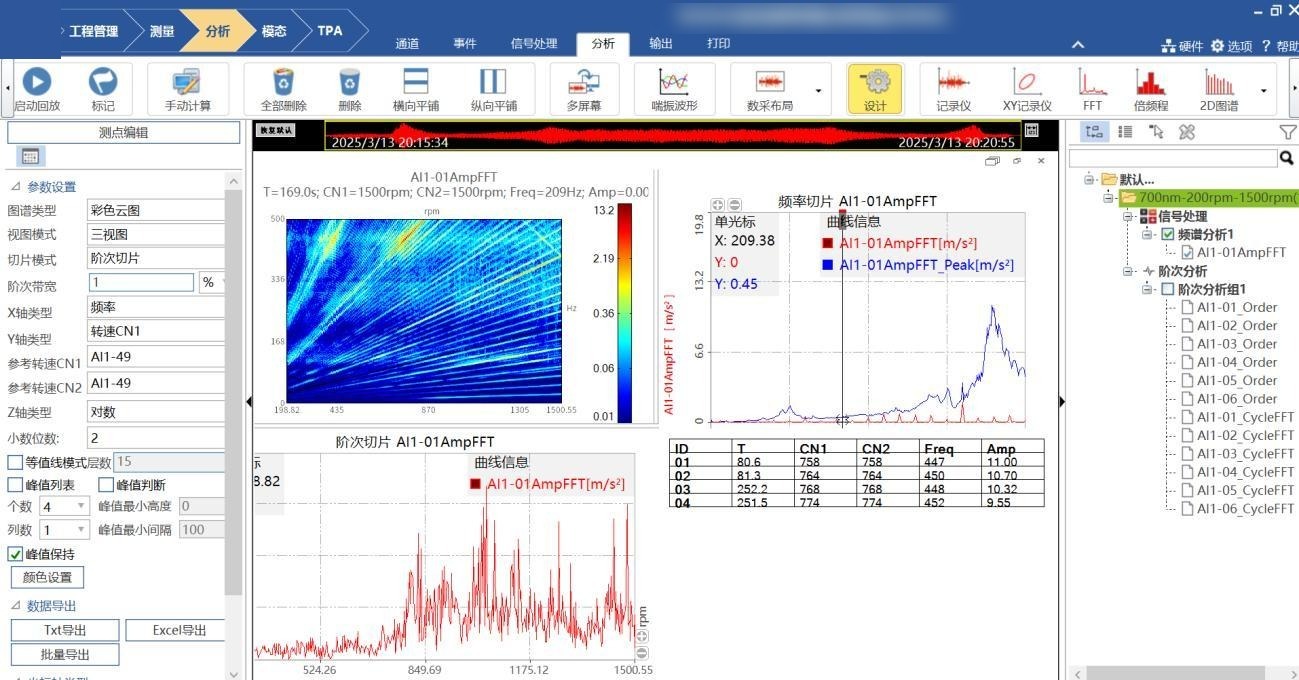
Signal Processing Engine
FFT analysis, time-domain waveform processing, IIR/FIR filtering, wavelet analysis, and cepstrum tools.
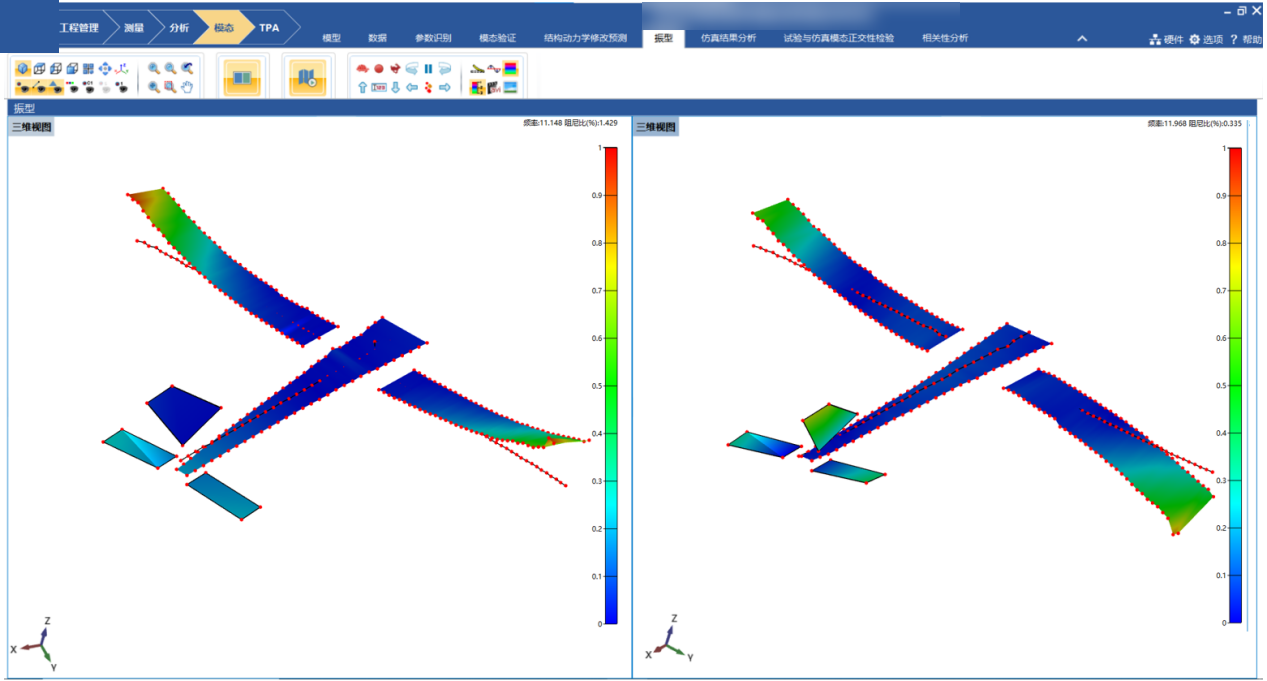
Structural Dynamics Analysis
Modal analysis for EMA, OMA, and GVT workflows with FRF, ODS, and structural prediction support.
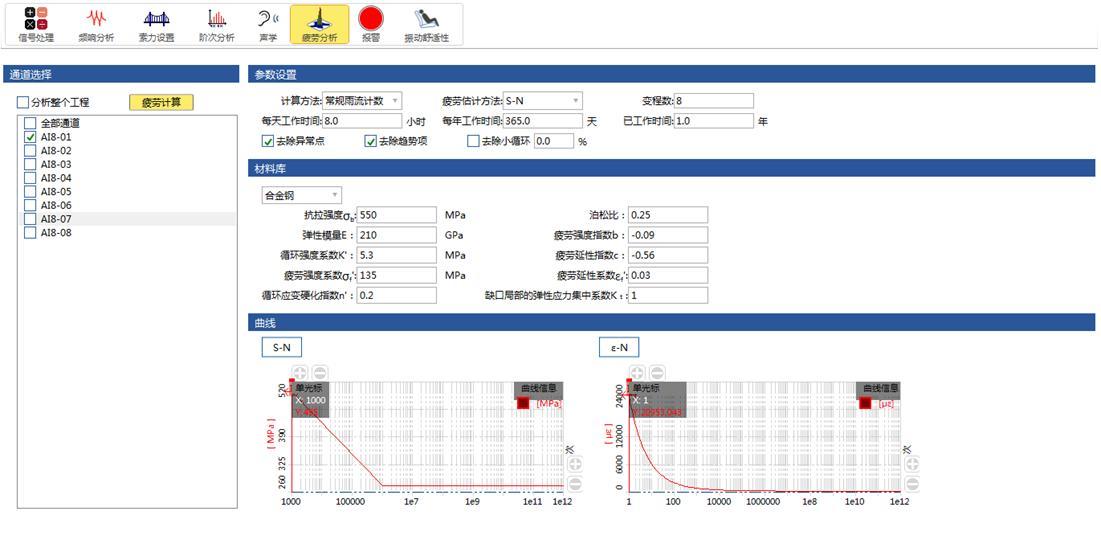
Data Analytics Engine
Rainflow counting, fatigue life evaluation, statistical analysis, integration, and signal preprocessing.
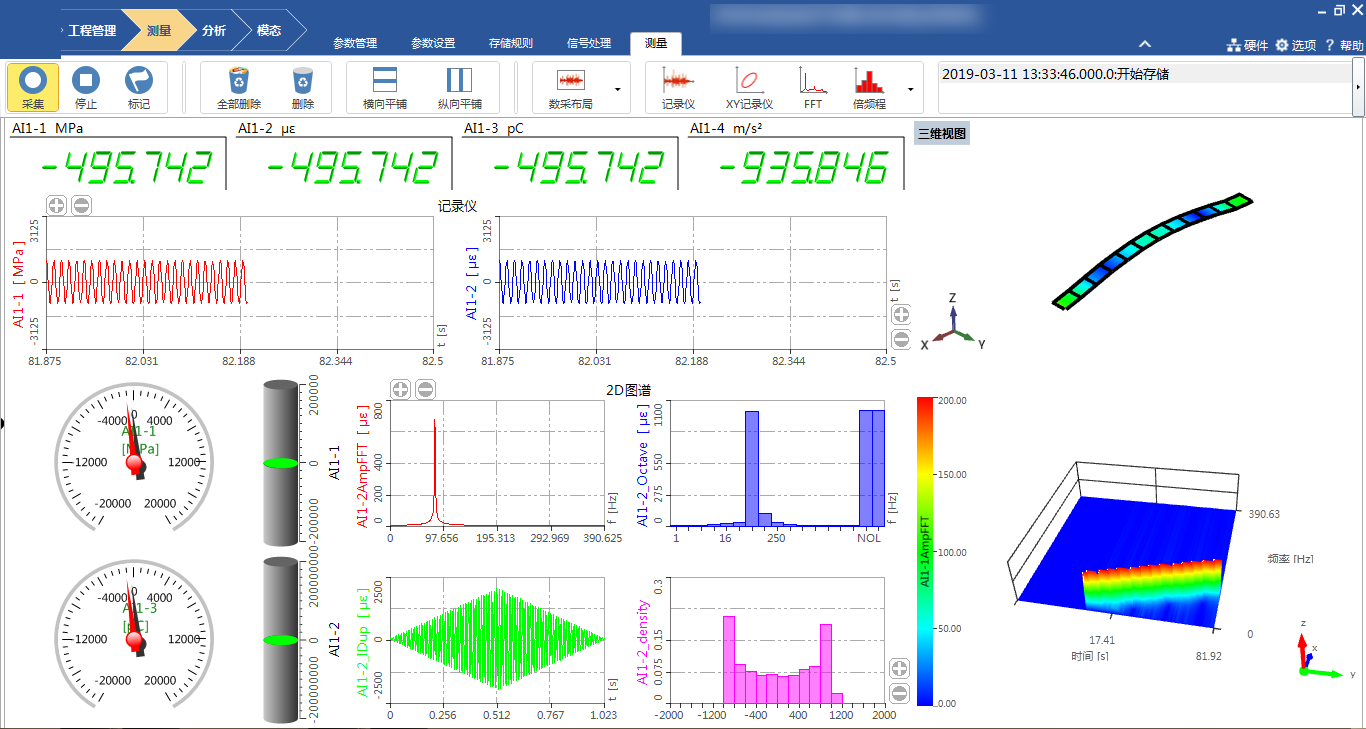
Visualization System
Real-time waveform, FFT spectrum, 2D/3D visualization, dashboards, meters, charts, and synchronized views.
Technical Specifications
Category
DL-DAQ
Measurement Range
Full-bridge, half-bridge, and three-wire quarter-bridge strain inputs
Sampling Rate
Dynamic synchronized strain acquisition
Communication Protocol
Wi-Fi or wired Ethernet
Protection Level
Field enclosure required by project
Power Supply
Battery operation longer than 7 hours
Application Tags
Bridge, Civil, Mechanical, Testing
Installation Type
Wireless distributed strain module installation
Engineering Applications
Where this DL product is applied
Wireless and wired operation support flexible dynamic strain testing.
Up to 16 four-channel modules per computer support distributed measurement layouts.
Supports strain, bridge-type sensors, thermocouple, and voltage inputs.
Technical basis may reference GB/T 6587 environmental requirements.
Typical Use Cases
Typical monitoring use cases
Large mechanical and civil structure dynamic strain tests.
Bridge and structural tests where Wi-Fi or hybrid wired communication reduces cabling.
System Integration Context
Sensor, DAQ, and software context
Confirm module count, bridge mode, wireless range, synchronization, battery duration, and sampling targets.
Use GPS or BeiDou synchronization when distributed timing accuracy is required.
Avoid importing original model names or promotional examples.